
Find the Best Concrete Grinding Contractors Near You
- Post a job
- Receive multiple quotes
- Choose your preferred Concrete Grinding contractors
Where do you need Concrete Grinding?
Describe your job and our suppliers will send you quotes
Hundreds of Concrete Grinding Specialists for Hire on iseekplant
At iseekplant, we connect you with hundreds of experienced concrete grinding specialists across Australia. Our extensive network ensures you can find the right professionals, equipped with the latest gear and techniques, to suit your commercial, civil, industrial or residential project's specific needs. In this guide, we look at concrete grinding as a service. We also cover concrete grinding hire rates, essential concrete grinding tools and equipment, tips for achieving a smooth finish, and a quick comparison between wet and dry grinding.
Concrete Grinding Hire Rates Guide
Understanding the costs associated with concrete grinding is crucial for budgeting your project effectively. This table provides the average rates for various concrete grinding services to help you budget better:
| Service Type | Average Rate (Per Square Metre) |
|---|---|
| Basic Concrete Grinding | $30 - $50 |
| Intermediate Grinding | $50 - $75 |
| Advanced/Decorative Grinding | $75 - $100+ |
Note: All prices listed on this page are estimates, exclude GST and are in AUD. Prices vary based on the complexity of the work and the level of surface preparation required, as well as location and demand in the local area of your job site. Additional costs for special finishes and coatings may apply. These are rough estimates for informational purposes only and shouldn’t be relied upon when costing a job.
Additional Costs to Consider in Concrete Grinding
In addition to the basic hire rates, there are several other costs that you might need to consider for a concrete grinding project. These costs can significantly impact the overall budget and should be factored into your planning:
| Additional Cost | Standard Rate | Description |
|---|---|---|
| Surface Preparation | $10 - $25 per sqm | Essential for ensuring a smooth grinding surface |
| Concrete Repair and Patching | $15 - $30 per sqm | For fixing cracks and holes before grinding |
| Dust Control Systems | $50 - $100 per day | Necessary for health and safety, especially indoors |
| Waste Disposal | $100 - $300 | Cost for disposing of concrete dust and debris |
| Additional Labour | $530 - $750 per hour | Additional labour hire may be needed for larger projects |
For an accurate and tailored quote for your specific concrete grinding needs, don't hesitate to use our Get a Quote tool. This tool connects you directly with our suppliers, ensuring you get an accurate, customised quote of your potential costs. Just enter your project details and let iseekplant do the rest!
Categories of Concrete Gear, Subbies and Suppliers on iseekplant
At iseekplant, we really are the home of concreting gear and subbies. Here are some other concrete suppliers you might be in need of:
- Concrete Boom Pumps: Concrete boom pumps use an articulating arm to deliver concrete precisely where needed. They are ideal for large-scale projects due to their efficiency and reach.
- Concrete Line Pumps: Concrete line pumps transport concrete through hoses at ground level. This method is suitable for smaller projects or tight spaces.
- Concrete Cutting: Concrete cutting involves sawing or drilling concrete into specific shapes or sizes. It's essential for creating openings or adjustments in existing concrete structures.
- Concrete Footpaths: Concrete footpaths provide durable, long-lasting walking surfaces. They are versatile and can be finished in various textures and colors.
- Concrete Formwork: Concrete formwork is the mold into which concrete is poured. It shapes the concrete while it hardens, forming the desired structure.
- Concrete Placing Systems: Concrete placing systems are used to distribute concrete over a large area. They ensure a smooth, even spread of concrete for various applications.
- Concrete Recycling: Concrete recycling involves breaking down old concrete for reuse. It's an environmentally friendly way to repurpose concrete debris.
- Concrete Repair: Concrete repair addresses damage in concrete structures. It restores structural integrity and extends the lifespan of the concrete.
- Concrete Sawing: Concrete sawing cuts through concrete with precision. It's used for creating expansion joints or cutting out specific sections.
- Concrete Services: Concrete services encompass a wide range of concrete-related activities. They include installation, repair, and maintenance of concrete structures.
- Concrete Sleeper Walls: Concrete sleeper walls are sturdy, retaining structures. They are used to prevent soil erosion and manage sloped areas.
- Concrete Volume Mixers: Concrete volume mixers mix and transport concrete. They allow for the on-site preparation of concrete, ensuring freshness.
- Concreting Contractors: Concreting contractors oversee concrete projects. They ensure the project meets specifications and is completed on time.
- Driveway Concreters: Driveway concreters specialize in installing concrete driveways. They provide durable, aesthetically pleasing driveways.
- Mobile Concrete Batch Plant: Mobile concrete batch plants mix concrete on the move. They offer flexibility for projects without a stationary batching facility.
- Stationary Concrete Batching Plant: Stationary concrete batching plants mix large volumes of concrete. They are used for extensive projects requiring consistent concrete supply.
- Slab Concreters: Slab concreters pour and finish concrete slabs. They work on foundations, floors, and other large, flat surfaces.
- Truck Mounted Concrete Batch Plant: Truck-mounted concrete batch plants allow for mobile concrete mixing. They bring batching capabilities directly to the project site.
- Concrete Drilling: Concrete drilling creates holes for various purposes. It's precise and used for both residential and commercial projects.
- Concreters: Concreters are skilled in working with concrete. They handle everything from mixing to the final finish of concrete surfaces.
Apart from subbies, you can also reach out to concrete suppliers:
- Concrete Supply: Concrete supply ensures projects have the necessary concrete. It's vital for construction and renovation projects.
- Decorative Concrete: Decorative concrete enhances aesthetic appeal. It's used in patios, walkways, and other visual areas.
- Concrete Sleepers: Concrete sleepers support railway tracks. They are durable and long-lasting, making them a preferred choice.
- Pre-fab Concrete: Pre-fab concrete is precast and transported to the site. It speeds up construction and ensures quality.
- Crushed Concrete: Crushed concrete is recycled concrete. It's used as a cost-effective aggregate material.
- Coloured Concrete: Coloured concrete adds visual interest. It's available in various hues for decorative purposes.
- Exposed Aggregate Concrete: Exposed aggregate concrete reveals the stones within. It's used for slip-resistant, decorative surfaces.
- Recycled Concrete: Recycled concrete is made from demolished concrete structures. It's an eco-friendly option for new projects.
Essential Concrete Grinding Tools and Equipment
Concrete grinding demands specific tools and equipment for a smooth and desirable finish. The correct selection can dramatically influence the quality and speed of the project.
- Grinders: These vary in size from small, hand-held devices to walk-behind models. Hand-held grinders are perfect for edges and tight spaces, while larger models efficiently cover expansive areas.
- Diamond Grinding Tools: Key for cutting through concrete's tough surface. Diamonds offer precision and longevity, making them cost-effective for large projects.
- Dust Extraction Systems: Critical for health and cleanliness. Dust suppression reduces airborne particles, safeguarding the work environment and worker health.
Each piece of equipment is integral to the concrete grinding process, ensuring efficiency, safety and a high-quality finish on every project.
Tips for Achieving a Smooth Finish in Concrete Grinding
Achieving a smooth finish in concrete grinding requires not just the right equipment but also a strategic approach. These tips ensure you achieve a smooth finish after you complete concrete grinding:
- Gradual Progression: Begin with a coarse disc for initial grinding to remove major imperfections. Gradually shift to finer grits to refine the surface for a smooth finish.
- Consistent Movement: Keep the grinder moving in a uniform pattern to prevent gouging the concrete. Consistency is key to avoiding visible marks on the surface.
- Proper Tool Maintenance: Inspect grinding discs for wear and tear before starting. Using sharp, intact discs ensures efficiency and a higher-quality finish.
- Water Use for Dust Control: Apply water to minimise dust during grinding. It keeps the work area clean and the disc cool, reducing wear.
- Edge Work: Use specialised edge tools to grind corners and edges. Proper tools prevent incomplete grinding in hard-to-reach areas, ensuring a uniform finish.
Wet vs. Dry Concrete Grinding
Concrete grinding techniques vary significantly between wet and dry methods, each offering distinct advantages depending on the project's needs and environmental considerations. Your decision on whether to use wet or dry grinding will largely depend on location, desired finish, and environmental considerations. Consulting with a concrete grinding specialist can provide further guidance, ensuring optimal results for your project.
Wet Grinding
- Pros: Wet grinding effectively reduces the amount of airborne dust, providing a safer working environment and prolonging the lifespan of the grinding discs by keeping them cool. It's particularly beneficial in outdoor or well-ventilated areas where the mess can be managed.
- Cons: This method can be quite messy, requiring additional cleanup efforts post-grinding. It's also not recommended for areas where water use is restricted or where it could pose a risk of damaging nearby materials or installations.
Dry Grinding
- Pros: Dry grinding offers a quicker setup and clean operation, making it preferable for indoor environments or spaces where water usage could be problematic. It allows for immediate access to the ground surface after the process.
- Cons: The main drawback is the significant amount of dust generated, necessitating efficient dust extraction systems to maintain air quality and worker safety. Without proper ventilation and protective equipment, it can create health hazards.
Elevate Your Project with Professional Concrete Grinding
At iseekplant, we bridge the gap (pun intended) between you and Australia’s top concrete grinding experts. Moreover, managing the dust and debris from grinding is no small task. If you're looking for guidance or need to discuss your project's specific needs, don't hesitate to get in touch at projects@iseekplant.com.au or call us at 1300 691 912. Ready for that perfect surface? Click 'Get a Quote' and let's get started.
Popular Concrete Grinding Locations
Become a supplier
How It Works
Concrete Grinding FAQs
Here are some frequently asked questions and tips on finding the right concrete grinding contractor for your job.
What do we have to offer?

Want to Know More?
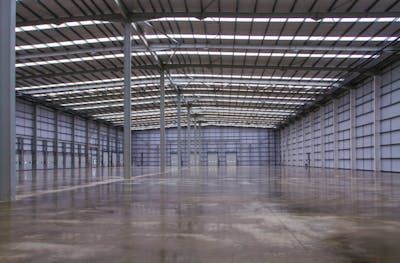
Polished Concrete Cost Guide | Find the best rates on iseekplant
Polished concrete floors are a clean and modern finish for any interior ...
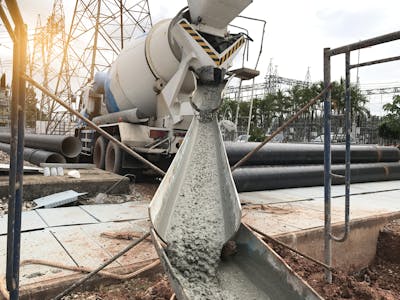
Concrete Truck Rates Guide 2025 | Get quotes on iseekplant
Concrete is an essential material used for various construction projects...